
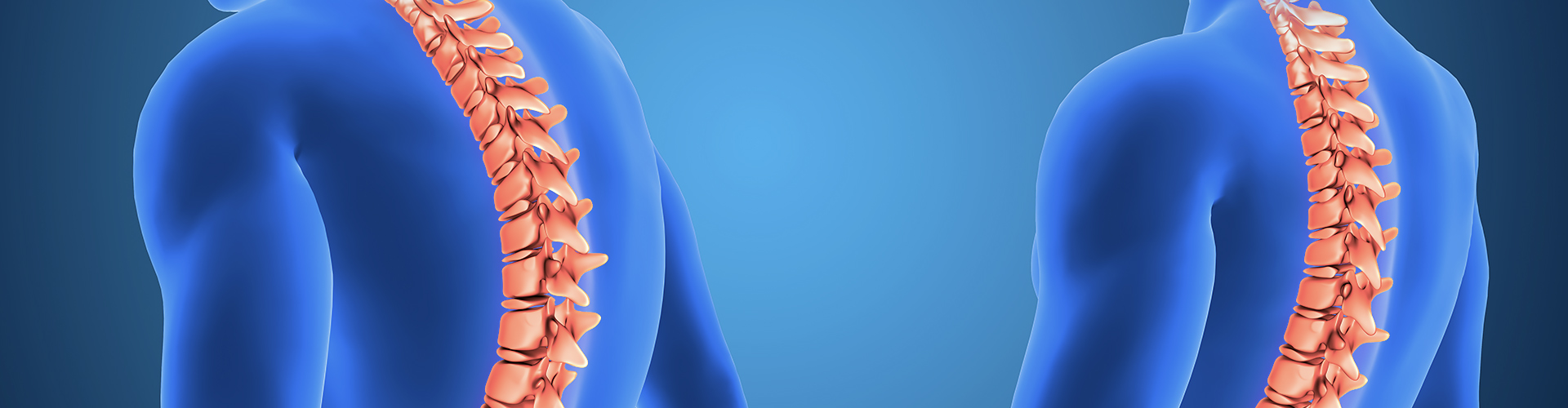
Endoscopic Discectomy
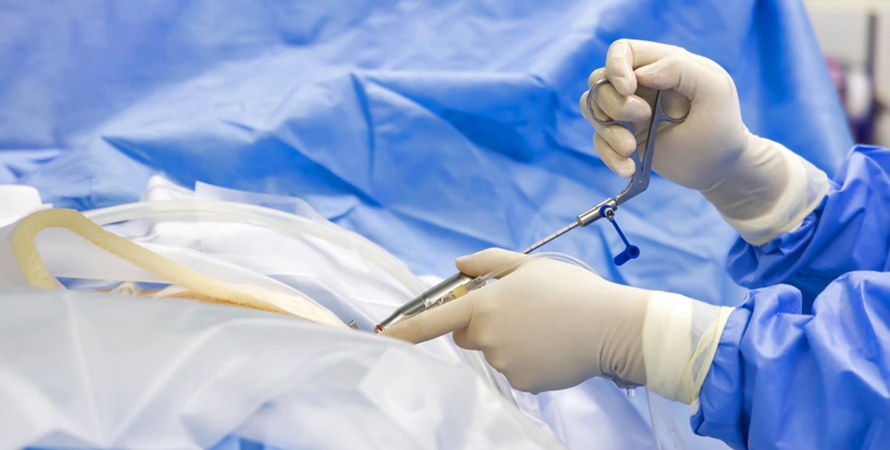
Endoscopic discectomy, one of the most advanced reflections of technology in spine surgery, is a revolutionary approach in herniated disc treatment. With this method, also known as “fully closed herniated disc surgery”, patients have much less pain and the opportunity to recover in record time. Prof. Dr. Mehmet Tezer successfully applies this advanced surgical technique in appropriate patient profiles.
What is Endoscopic Discectomy (Fully Closed Lumbar Hernia Surgery)?
Endoscopic discectomy is a surgical procedure performed through a single incision of about 8 millimeters using a pencil-thick endoscope with a high-resolution camera at the end. The surgeon sees the surgical site much larger and clearer than usual on a video screen. Using special micro-instruments inserted through the working channel inside the endoscope, the herniated disc compressing the nerve is precisely removed. Healthy muscle, bone and connective tissues are virtually untouched during this procedure, which is the biggest advantage of this method.
What are the Advantages of Endoscopic Surgery Compared to Other Methods?
Endoscopic discectomy is a less invasive technique (less tissue damage) than even the standard microdiscectomy. The main difference is that instead of cutting through the muscle tissue, it gently gapes (dilates) it with special instruments. In this way, the muscle tissue is completely spared.
Main Advantages:
-
Minimal Skin Incision: There is almost no aesthetic scar after surgery. Usually a single stitch is sufficient or no stitches may be required.
-
Protected Muscle Tissue: Postoperative pain is significantly less, which increases patient comfort.
-
Less Bleeding: Blood loss is negligible.
-
Record Speed Recovery: Patients can walk only a few hours after surgery and are usually discharged the same day or the next day.
-
Early Return to Work: Patients working in a desk-based job can return to their normal life and work in as little as 1 week.


Is Every Lumbar Hernia Patient Suitable for This Surgery?
Although endoscopic discectomy is a groundbreaking method in the treatment of herniated discs, it may not be suitable for all hernia types. The location (localization) of the hernia, its relationship with the nerve root and its size are the determining factors in choosing this method. It offers an ideal solution especially for hernias that are focused in a specific area (non-migrated).
The best and safest treatment for you can only be decided after a detailed examination and MRI evaluation by an experienced spine surgeon.
Frequently Asked Questions
Both are minimally invasive surgical procedures, but there are important differences between them. Microdiscectomy, is a very safe method, which is considered the "gold standard" in herniated disc surgery, in which the muscles are scraped with an incision of about 2-3 cm with the help of a microscope.
Endoscopic Discectomy takes this approach one step further. It is done through an incision of about 8 mm (less than 1 cm), with a camera (endoscope) passing between them, without cutting or scraping the muscles. The main difference, is the complete preservation of muscle tissue.
"The answer to the question "which is better" depends on the patient and the condition of the hernia. Microdiscectomy is a versatile procedure that can be used for almost any type of herniated disc. Endoscopic surgery in appropriate and selected cases, It offers advantages such as faster recovery and less postoperative pain. Your surgeon will decide the best method for you by evaluating your MRI images and examination findings.
Endoscopic discectomy is generally preferred for patient comfort and surgical precision. general anesthesia under anesthesia. However, in some appropriate cases, it can also be performed with spinal/epidural anesthesia (lumbar anesthesia) and sedation (light drowsiness). The type of anesthesia is determined by the patient's general state of health and the surgeon's preference. The surgery itself, excluding the preparation process, is usually 45 to 60 minutes is completed in a short time.
Yes. This is one of the biggest advantages of endoscopic surgery. Since the muscle tissue is not cut, but only opened with special instruments, the pain experienced in the postoperative period is less than with other methods. is significantly less. Severe sciatica pain in the leg is usually relieved immediately after surgery, while the patient is still in the recovery room. This allows patients to stand up much faster and return to normal life.
Absolutely. Deneyimli bir omurga cerrahı tarafından, doğru seçilmiş hastalara uygulandığında, endoskopik diskektominin başarı oranları mikrodiskektomi ile aynı, hatta bazı serilerde daha yüksektir (%90-95'in üzerinde). Bu yöntem, deneysel bir aşamada değildir; etkinliği ve güvenliği kanıtlanmış, dünya genelinde yaygın olarak kullanılan ileri bir tekniktir. Yüksek çözünürlüklü kamera sayesinde sinir dokusu çok yakından ve net bir şekilde görülür, bu da cerrahi güvenliği artırır.
This is the biggest concern of patients. Today, "Microdiscectomy" surgeries (using a microscope or endoscope) are the gold standard in the treatment of herniated discs. With these techniques, the surgical field is magnified and the nerve tissue is clearly seen.
The risk of serious complications such as paralysis (paraplegia) in herniated disc surgery when performed by an experienced spine surgeon using modern techniques (microsurgery) is extremely low (less than one in a thousand). Although risks such as infection, bleeding or nerve damage are theoretically present as with any surgical procedure, these rates have been minimized with current technologies.
Although the healing process varies according to the individual, the general rules are as follows:
-
First 2-3 Weeks: Sudden forward bending, rotational movements and lifting more than 5 kg should be avoided. Short walks on level ground are recommended.
-
Return to Work You can usually return to work after 1 week if you have a desk job, and after 4-6 weeks if you have a job that requires physical strength.
-
Driving a Vehicle: You can usually start driving after 1-2 weeks.
-
Sport: After about 6-8 weeks, with the approval of your doctor, you can start sports that do not strain the waist, such as swimming and pilates. It may be necessary to wait at least 3-6 months to return to professional or heavy sports.
No, there is no significant difference. The risk of hernia recurrence depends more on the patient's genetic disc structure, lifestyle and how well he/she protects his/her back in the postoperative period than on the chosen surgical technique. This rate is similar for both methods and is around %5-10. The best way to prevent recurrence is to keep the back and abdominal muscles strong and to adopt the right movement habits.