
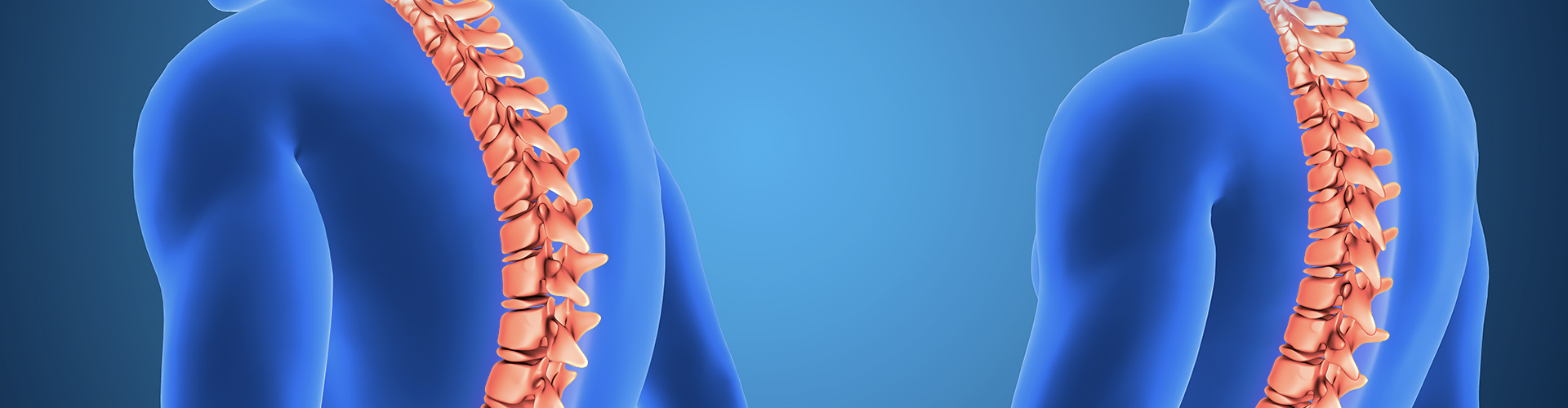
Neck Hernia

A cervical herniated disc is a condition in which the discs between the cervical vertebrae press on the nerves or spinal cord. Unlike a simple neck pain, it usually manifests itself with severe pain radiating to the arm, numbness and weakness. Prof. Dr. Mehmet Tezer aims to improve your quality of life by applying the most up-to-date methods in the diagnosis and treatment of cervical disc herniation.
What is Cervical Hernia and What Causes It?
Our cervical spine consists of seven vertebrae and discs that act as a cushion between these vertebrae. A cervical herniated disc is when the outer layer of these discs ruptures and the jelly-like part of the disc bulges out and presses on the nerve roots in the spinal canal or directly on the spinal cord itself. The most common causes of this condition are:
-
Degeneration The natural wear and tear and loss of flexibility of the discs with advancing age.
-
Trauma: Traffic accidents (whiplash), sports injuries or sudden strains such as falls.
-
Poor Posture Posture disorders that place chronic strain on the cervical spine, such as prolonged desk work or constantly looking at the phone (“text neck”).
The Most Common Neck Hernia Symptoms
Symptoms vary depending on the location of the hernia and how much pressure it is putting on which nerve. The most common symptoms are:
-
Pain radiating to the arm (Cervical Radiculopathy): It is the most typical symptom. A sharp, electric shock or burning pain, usually unilateral, starting in the neck and radiating to the shoulder, shoulder blade, shoulder blade, arm, hand and fingers.
-
Numbness and Tingling: Pins and needles and numbness in certain parts of the arm, hand or fingers.
-
Muscle Weakness Dropping objects held in the hand, difficulty raising or bending the arm, twitching of the muscles.
-
Symptoms of Myelopathy (Emergency): If the hernia presses directly on the spinal cord, more serious symptoms such as unsteadiness in walking, impaired manual dexterity (difficulty buttoning buttons, writing) may be observed. This requires urgent medical evaluation.


Diagnosis and Non-Surgical Treatment Options
The correct diagnosis begins with the patient's history and a detailed neurological examination (muscle strength, reflex and sensory tests). The gold standard diagnostic method to clarify the location, size and relationship with the nerve and spinal cord Magnetic Resonance (MRI) is imaging.
The majority of patients benefit from non-surgical (conservative) treatments. Short-term rest, anti-inflammatory medications, physical therapy (neck muscle strengthening and posture training) and injections to reduce edema around the nerve are first-line treatment options.
When is Neck Hernia Surgery Necessary?
Surgical treatment is required in the presence of severe arm pain, marked and progressive loss of muscle strength in the arm or signs of spinal cord compression (myelopathy) that do not respond to non-surgical treatments and reduce quality of life. The aim of the surgery is to remove pressure on the nerve and spinal cord. Nowadays Anterior Cervical Discectomy and Fusion (ACDF) or Cervical Disc Prosthesis (Neck Hernia Prosthesis) There are extremely safe and highly successful methods available.
Frequently Asked Questions
No, no, no. The vast majority of neck pain is caused by "mechanical" causes such as muscle spasm, fatigue, stress or poor posture and usually resolves spontaneously within a few days.
However, if your neck pain is accompanied by the following symptoms, it is important to consult a spine surgeon:
-
The pain radiates to one or both arms, hands, fingers (like an electric or burning sensation).
-
If you have numbness or tingling in your arms, hands or fingers.
-
You feel a marked weakness in your arm or hand (e.g. not being able to hold a cup, dropping things).
The nerves that come out from between the vertebrae in our neck pass through our shoulders and extend to our arms and fingers. You can think of these nerves as cables coming out of the electrical panel in our house and going to the rooms. When a herniated disc presses on one of these nerve "cables" across the board (i.e. in the neck), the effect of the problem is felt at the end of the cable (arm, hand, fingers). This condition is called "cervical radiculopathy" It's called.
This is a major concern of patients and it is necessary to clearly distinguish between the two situations:
-
Nerve Root Compression (Radiculopathy): Most standard cervical hernias only compress a single nerve root to the arm. This causes pain, numbness and loss of strength in the arm. does not cause paralysis.
-
Spinal Cord Compression (Myelopathy): If the hernia is large and presses directly on the spinal cord itself, this is more serious. "cervical myelopathy" is also called as "clumsiness". In this condition, symptoms such as weakness not only in the arms but also in the legs, unsteadiness in walking, clumsiness in manual skills (writing, buttoning buttons) may occur. Myelopathy is an emergency condition that usually requires surgical treatment to prevent permanent damage.
A cervical collar does not cure a hernia. Only when the pain is very severe in the acute phase, to rest the muscles and reduce pain by restricting neck movements short-term (usually 1-2 weeks) used. Prolonged and continuous use of a neck brace may weaken the neck muscles and cause more harm than good. For this reason, it should only be used for the time and conditions recommended by your doctor.
The discs in the cervical spine are located in the anterior part of the structure. Through an incision in the front of the neck (anterior approach), the disc is accessed more directly and safely by following natural tissue patterns through structures such as the windpipe and esophagus. This approach leaves the spinal cord and nerve tissues, the most delicate part of the operation, untouched. Therefore, for an experienced surgeon An anterior approach to cervical hernia surgery is a much safer and standardized method than a posterior approach.
Both methods are based on the complete removal of the herniated disc. The difference is what is done afterwards:
-
Fusion (ACDF): "It is the "gold standard" and the most common procedure. The removed disc is replaced with a bone-supporting cage and the two vertebrae are fused together and fixed (frozen). The aim is to eliminate painful movement at that level.
-
Disc Prosthesis After the herniated disc is removed, it is replaced with a movable prosthesis that mimics the natural movement of the neck. In this way, the movement at that level is preserved.
"The answer to the question "which is better" is patient-specific. Disc prosthesis is usually recommended for patients who are young, have good bone quality and do not have arthritis in their spine. in selected patients is a suitable option. Fusion, on the other hand, is a very reliable and long-lasting method that can be applied in almost all types of cervical herniated discs and arthritis. Your surgeon will make this decision by evaluating your condition.
No, it is not completely restricted. This is one of the most common misconceptions about fusion surgery. Most of our neck movement is provided by the joints between our head and the first two cervical vertebrae. Fusion surgeries are usually applied to one or two distances at lower levels of the neck (such as C4-C5, C5-C6). Although movement is lost at the operated level, the intact vertebrae above and below largely compensate for this loss of movement. Most patients experience a significant limitation in movements required for activities of daily living after surgery, such as turning and tilting the head. he doesn't feel.
In herniated disc surgeries, the protruding disc fragment pressing on the nerve is removed, not the entire disc. There is a possibility that the remaining disc tissue may herniate again in the same place (recurrence). This rate is around %5-10 in operations performed by experienced surgeons.
The most important way to prevent hernia recurrence is lifestyle modification after surgery. Weight control, quitting smoking, paying attention to heavy lifting techniques and regular exercise, especially to strengthen the waist and abdominal muscles (core muscles), significantly reduce the risk of recurrence.