
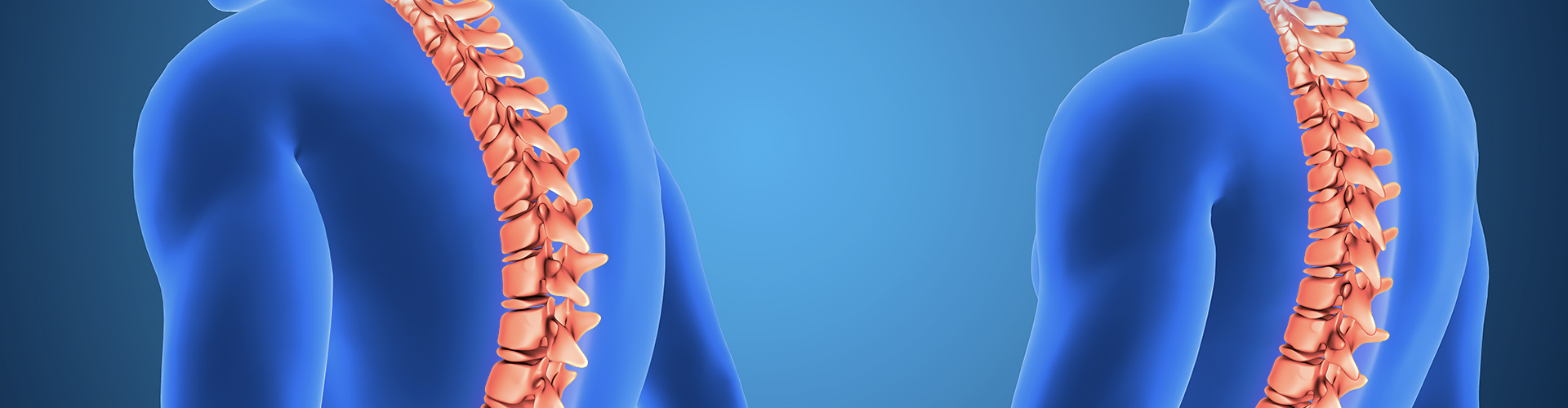
Slipped Waist

Spondylolisthesis, or spondylolisthesis in medical terms, is the displacement of one vertebra forward over the vertebra below it. This condition, which causes instability in the spine, can be an important cause of severe back and leg pain in both young and active individuals and in older people. Prof. Dr. Mehmet Tezer offers up-to-date and effective solutions for the diagnosis and individualized treatment planning of slipped back.
What is a slipped back and what are the main causes?
Our spine is made up of vertebral bones connected to each other by discs and small joints (facet joints). A slipped disc is a weakening of these connections that causes a vertebra to slip forward and lose its normal alignment. This is most common in the vertebrae in the lower back (L4-L5 and L5-S1). There are mainly two types:
-
Degenerative Low Back Dislocation: It is the most common type. It occurs as a result of wear and tear (calcification) of the discs and facet joints with advancing age. It is more common in women after the age of 50 and may be associated with canal narrowing.
-
Isthmic Lumbar Dislocation: It occurs as a result of a stress fracture (spondylolysis) in the thin bone bridge called “pars interarticularis” at the back of the spine. It is usually seen in young athletes and active individuals involved in sports such as gymnastics and soccer.
The Most Common Symptoms of Slipped Back
Symptoms vary from person to person, depending on the degree of slippage and how much the nerves are compressed. The most common complaints are:
-
Low Back Pain It is a mechanical type of pain that increases with activities such as standing, walking and bending backwards. It usually subsides when sitting or leaning forward.
-
Pain radiating to the leg (Sciatica): Pain, numbness and tingling starting from the buttock and radiating down the leg as a result of a slipped vertebra compressing the nerve roots to the legs.
-
Muscle Tension: Excessive tension and shortness, especially in the muscles at the back of the legs (hamstrings).
-
Walking Difficulty: In advanced cases, weakness in the legs and shortening of walking distance may occur due to nerve compression.


Diagnosis and Non-Surgical Treatment Options
The diagnosis begins with the patient's history and a detailed physical examination. For a definitive diagnosis side lumbar x-ray (lateral radiography) is usually sufficient. Dynamic x-rays taken by bending forward and backward may also be requested to determine whether the slip is mobile (unstable). MRI imaging is used to evaluate nerve compression in detail.
The first step in treatment is always non-surgical (conservative) methods. Strengthening the back and abdominal muscles with physical therapy, painkillers and anti-inflammatory drugs, activity modification and epidural steroid injections around the nerve root provide relief for the majority of patients.
Surgical Treatment Spinal Fusion (Fixation) Surgery
Surgical treatment is recommended in patients who have not responded to nonoperative treatments for more than six months, have neurologic disability or have a high degree of slippage and instability. The purpose of surgery is dual:
-
Decompression Relieve pinched nerves.
-
Spinal Fusion Fixing and fusing the displaced vertebra to the underlying vertebra using screw and rod systems.
In this way, the stability of the spine is restored and the pain is permanently relieved.
Frequently Asked Questions
No, this is not the case. Although this concern is very common, the word "slippage" does not mean that the spine will suddenly pop out of place. A slipped back is a condition that develops very slowly, usually over many years. Your spine is surrounded by very strong muscles and connective tissues that hold it in place. A complete separation of the vertebrae (dislocation) can only occur as a result of very severe and destructive trauma (traffic accident, fall from a height, etc.).
A slipped back is graded by measurements on an X-ray. This is important in determining the severity of the slip and the treatment plan.
-
Grade 1: %25'in altında kayma (En hafif ve en sık görülen tip)
-
Grade 2: %25 - %50 arası kayma
-
Grade 3: %50 - %75 arası kayma
-
Grade 4: %75'in üzerinde kayma
A very large proportion of patients Grade 1 and Grade 2 group. These low-grade slips can usually be managed successfully with non-surgical methods.
No, but they are very interrelated. This is an issue that causes confusion, especially in young, active patients.
-
Spondylolysis A thin bone bridge at the back of the vertebra called the "pars interarticularis" is a stress fracture. This alone may be the only fracture and there may be no slippage at all.
-
Spondylolisthesis If the integrity of the vertebra is compromised due to this fracture, the vertebra may is a shift. So, spondylolysis is the cause of the isthmic type of spondylolisthesis.
No, physical therapy and exercises do not anatomically restore the displaced vertebra. This is not the aim of the treatment. The aim of physical therapy is to strengthen the lumbar and abdominal muscles (core muscles) to create a natural "corset" around the spine. This strong musculature stabilizes the spine, restricts abnormal movements and reduces pain.
Patients with slipped discs are especially advised to avoid movements that overstrain the spine backwards (hyperextension) (certain yoga positions, weightlifting bridges, etc.).
Absolutely not. The vast majority of patients do not need surgery. Surgical treatment is usually considered in the following cases:
-
Severe back and leg pain that persists for at least 6 months despite non-surgical methods such as physical therapy, medication and injections.
-
Neurological symptoms such as progressive muscle weakness and numbness in the legs.
-
High-grade (Grade 3-4) and unstable (mobile) slips.
The main problem with slipped back instability, i.e. the imbalance of the spine in that area. Simply removing the bones and tissues that compress the nerves (decompression) does not solve this underlying imbalance and may even increase it. Therefore, after the nerves have been relieved, the slipped vertebra needs to be fixed to the underlying vertebra. This fixation involves fusing the vertebrae together using titanium screws and rods (spinal fusion).
This is usually only done at the level of one or two vertebrae. The other stable joints of your lower back and hip joint largely compensate for this level of loss of movement. Most patients experience a significant limitation in the movements necessary for activities of daily living after surgery, such as bending and turning. he doesn't feel.
Yes, absolutely. The vast majority of patients diagnosed with a low-grade (Grade 1-2) and stable slipped back can lead a normal and active life with the right lifestyle changes and regular exercise program. Maintaining weight control, keeping core muscles strong and avoiding activities that strain the lower back are the keys to a pain-free and comfortable life for many years.
In herniated disc surgeries, the protruding disc fragment pressing on the nerve is removed, not the entire disc. There is a possibility that the remaining disc tissue may herniate again in the same place (recurrence). This rate is around %5-10 in operations performed by experienced surgeons.
The most important way to prevent hernia recurrence is lifestyle modification after surgery. Weight control, quitting smoking, paying attention to heavy lifting techniques and regular exercise, especially to strengthen the waist and abdominal muscles (core muscles), significantly reduce the risk of recurrence.