
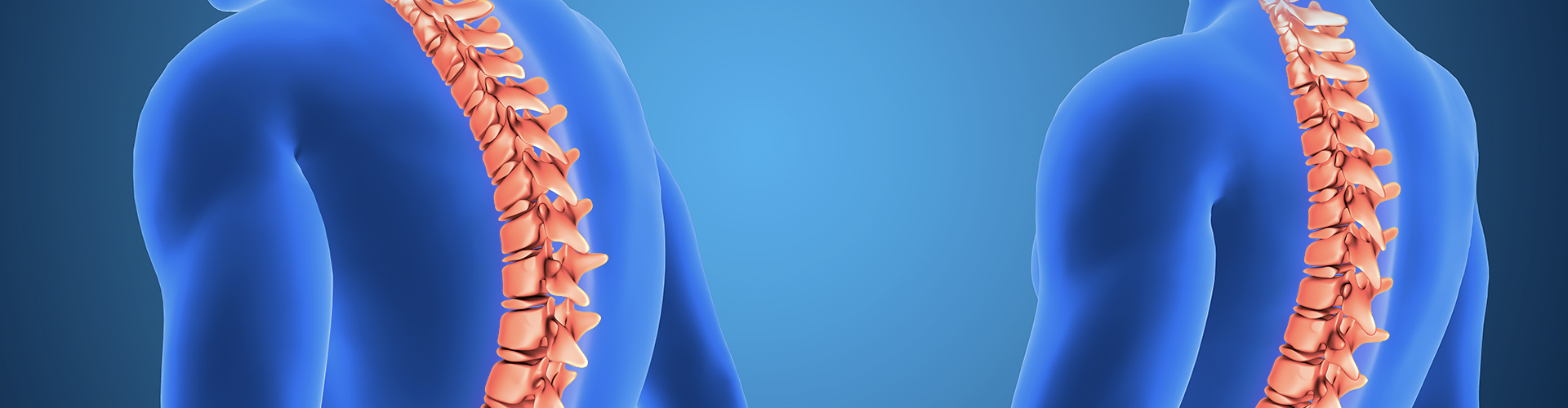
Spinal Canal Stenosis
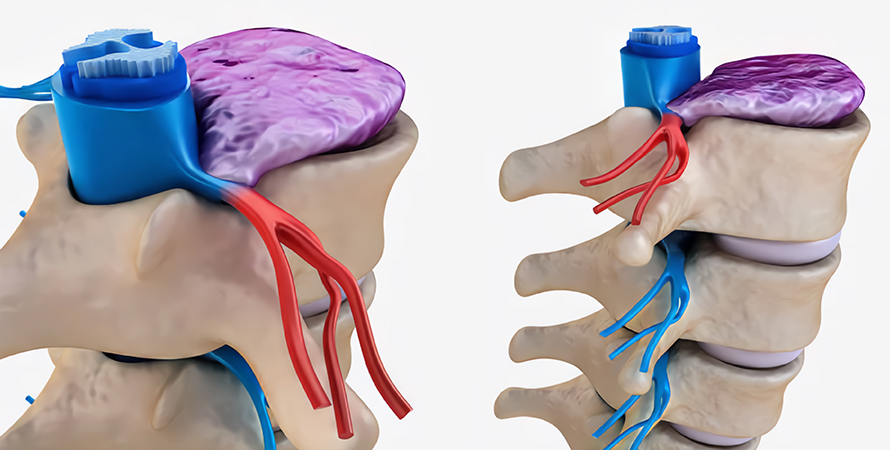
Spinal stenosis is a narrowing of the spinal canal through which nerves pass due to the natural aging process of the spine, usually seen after the age of 50. This condition is characterized by pain, numbness and cramps in the legs, especially when walking. Spine surgery specialist Prof. Dr. Mehmet Tezer aims to restore your walking distance and improve your quality of life with modern methods in the treatment of canal narrowing.
What is Spinal Canal Narrowing (Spinal Stenosis) and Why Does It Occur?
Inside our spine, there is a tunnel called the spinal canal through which the nerves from our brain pass. With advancing age, a series of degeneration occurs in the structures that make up this tunnel:
-
Osteoarthritis (osteophytes): Calcifications and bone spurs in the facet joints of the spine narrow the canal.
-
Disc Degeneration The discs between the vertebrae lose their height and protrude into the canal.
-
Connective Tissue Thickening: The connective tissues that hold the spine together (ligamentum flavum) thicken over time and put pressure on the nerves.
All these factors narrow the space through which the nerves pass, compressing the nerves, a condition called “spinal stenosis” or “narrowing of the canal”.
Most Typical Symptom: Leg Pain Increasing with Walking (Neurogenic Claudication)
The most characteristic symptom of canal narrowing is pain, numbness, burning, tingling and cramping in both legs after walking or standing for a while. Patients usually feel the need to stop and rest after walking a certain distance.
Complaints passes when sitting or leaning forward is a very typical symptom. Leaning forward temporarily widens the spinal canal slightly and the nerves relax. This is why it is a classic sign that patients can walk longer distances by leaning against a market or grocery cart (“market cart symptom”).


Diagnosis and Non-Surgical Treatments for Canal Stenosis
The diagnosis begins with this typical history, a detailed physical examination and neurological evaluation. The gold standard diagnostic method to clearly see the location and degree of narrowing and which nerves are compressed Magnetic Resonance (MRI) is imaging.
In the early stages of the disease and in patients with mild complaints, relief can be achieved with non-surgical methods such as painkillers and anti-inflammatory drugs, physical therapy programs including muscle strengthening exercises and epidural steroid injections to reduce edema around the nerve.
Surgical Treatment Decompression (Laminectomy) Surgery
Surgical treatment is the most effective solution in cases where non-surgical treatments are inadequate, the patient's walking distance is so shortened that it affects his/her daily life and the quality of life decreases. The main purpose of surgery “decompression”, that is, to completely remove the pressure on the nerves. “Laminectomy” The thickened connective tissues and bony protrusions that cause narrowing are removed and a wide and comfortable space is created again for the nerves.
Frequently Asked Questions
No, they are two different problems. A herniated disc is a local problem, usually caused by a disc pressing on a single nerve root, and often causes a sharp pain (sciatica), often in one leg.
Canal narrowing (spinal stenosis) is a more general problem. A narrowing of the entire spinal canal due to calcification, thickening of the connective tissue and wear and tear of the discs. For this reason, it is usually both legs It causes widespread pain and numbness that affects the affected area. While herniated discs are more common in young and middle-aged people, canal stenosis typically occurs after the age of 50.
This is the most classic and distinctive sign of canal narrowing. When we stand or walk, the natural curve (lordosis) of the lower back increases and this narrows the spinal canal a little more. The nerves in the already narrow canal are further compressed and the blood supply to the legs decreases, causing pain, numbness and cramps (Neurogenic claudication).
When we sit or lean on a grocery cart when we lean forward the space between the vertebrae increases and the canal is temporarily widened. The pressure on the nerves is immediately relieved and the symptoms quickly disappear.
This is one of the biggest fears of patients. Canal narrowing is a chronic process that progresses very slowly. It can lead to a sudden development of paralysis, as in a herniated disc. is not expected and is very rare. However, in untreated and very advanced cases, chronic pressure on the nerves can lead to progressive weakness in the leg muscles, balance problems and severe loss of the ability to walk. The aim of treatment is to stop this progression.
In the early and middle stages of the disease, non-surgical methods can be very successful in controlling patients' complaints. Physical therapy, strengthens the abdominal and back muscles in particular, reducing the load on the spine. Epidural steroid injections and provide temporary but effective relief by reducing the edema and inflammation around the nerves in the narrowed canal. These methods do not eliminate the disease, but they can help the patient to live a more comfortable life by reducing pain and postpone the decision to have surgery.
The patient's quality of life is more decisive in the decision for surgery than the MRI image. Surgery becomes inevitable in the following cases:
-
The patient's walking distance becomes too short to perform daily activities (such as going to the market, walking around the house).
-
Pain and numbness in the legs that persists even at rest, waking you up at night.
-
Non-surgical methods no longer work.
-
Onset of marked and progressive muscle weakness or loss of balance in the legs.
Laminectomy, is the procedure that forms the basis of canal stenosis surgery. The aim of the surgery is to remove part of the posterior bone structure of the spine called the "lamina", thickened connective tissues and calcifications to remove the pressure compressing the spinal cord and nerve roots (decompression). This creates a large and comfortable space for the nerves again.
When performed by an experienced spine surgeon, laminectomy is an extremely safe operation with a high success rate. The risk of serious complications is low.
Screw insertion in every canal stenosis surgery not needed. If, in addition to the narrowing, there is no vertebral slippage (listhesis) or spinal instability, only nerve release (decompression/laminectomy) is sufficient.
However, if there is lumbar slippage with narrowing, or if bone removal over a very large area risks destabilizing the spine, titanium screw and rod systems to strengthen and stabilize the spine (instrumentation and fusion) is used. Your surgeon makes this decision according to the preoperative and intraoperative situation.